

Water Disinfection
Water Disinfection Systems
Reliable UV Water Disinfection for Residential and Commercial Applications
Protect your water with UV Water Disinfection Systems designed to help inactivate bacteria, viruses, and other microorganisms without adding chemicals. Ultraviolet (UV-C) technology disinfects water as it passes through the reactor chamber, making it an effective solution for Residential Potable Water, commercial facilities, and industrial Water Treatment applications. UV systems are widely used as the final barrier after filtration to help improve microbiological water quality.
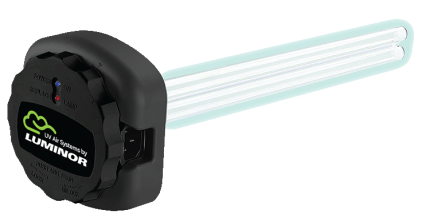
LUMINOR UVAIR-01 Air Disinfection System | UV Air Purification for HVAC Systems
$405.62
SKU:
UVAIR-01
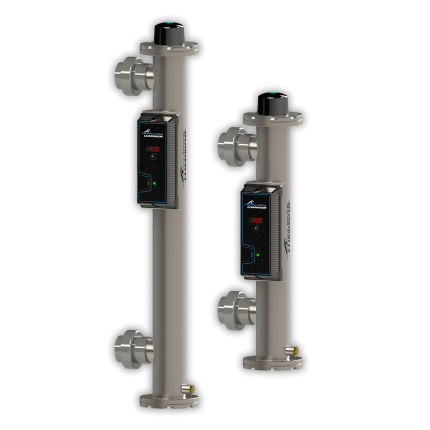
LUMINOR POOLUV75 Pool UV System – 75 GPM UV Disinfection for 40,000 Gallon Pools
$2,500.00
SKU:
POOLUV75
LUMINOR POOLUV45 Pool UV System – 45 GPM UV Disinfection for 20,000 Gallon Pools
$2,000.00
SKU:
POOLUV45
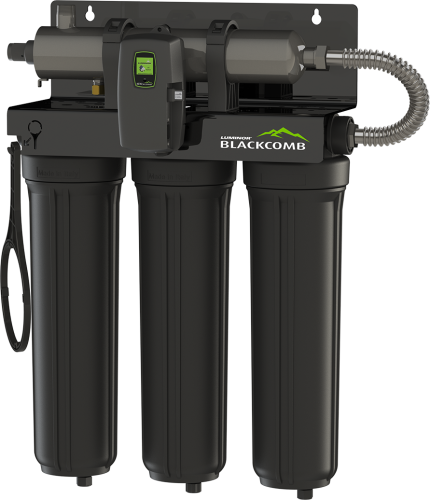
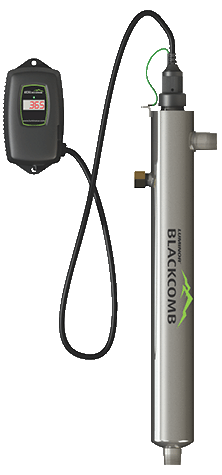
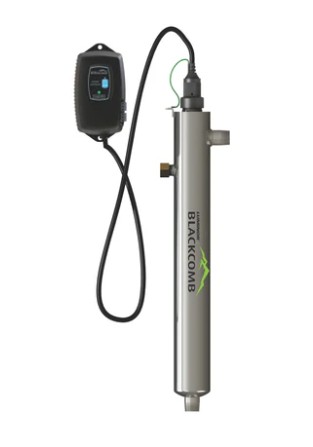
LUMINOR LBH5-Z222 BLACKCOMB 5.1 UV Water Treatment System | 15 GPM UV Filtration System
$2,568.41
SKU:
LBH5-Z222
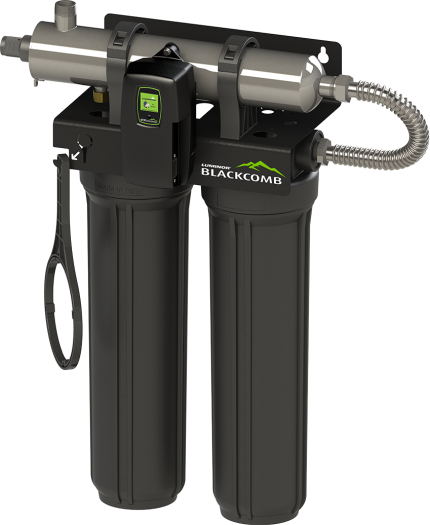
LUMINOR LBH5-Z122 BLACKCOMB 5.1 UV Water Treatment System | 15 GPM UV Filtration System
$2,617.55
SKU:
LBH5-Z122
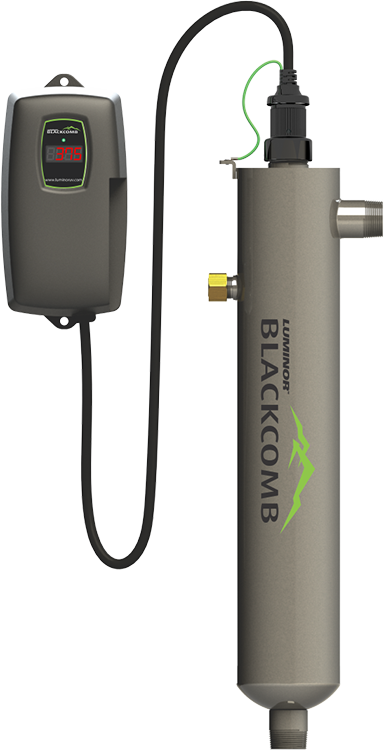
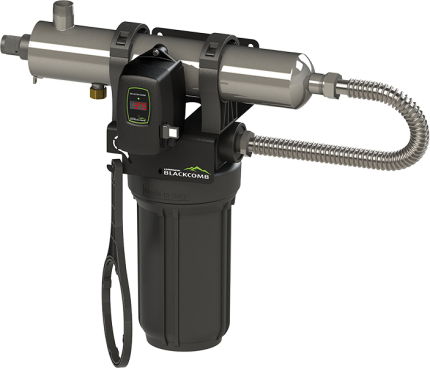
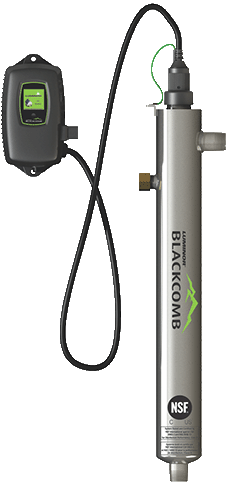
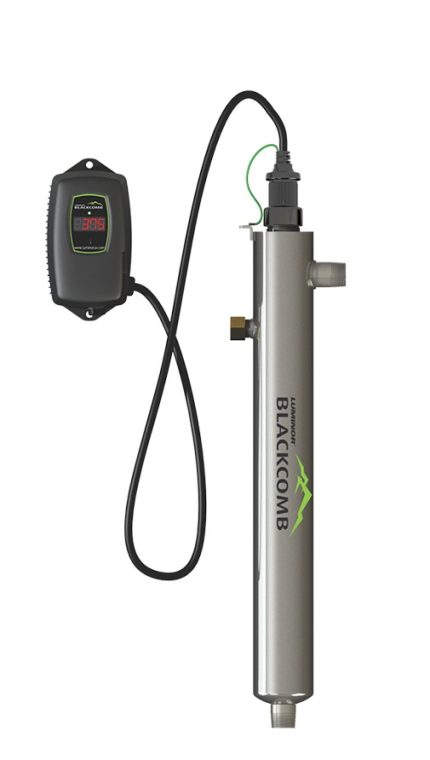
What Is UV Water Treatment? The Complete Guide to Ultraviolet Water Disinfection
What Is UV Water Treatment?
Ultraviolet (UV) water treatment is a chemical-free disinfection technology that uses ultraviolet light to inactivate bacteria, viruses, and other microorganisms as water flows through a UV reactor. Unlike chemical disinfectants, UV light disinfects water without affecting its taste, odor, or chemistry.
UV water treatment has become one of the most effective solutions for residential, commercial, and industrial water disinfection because it provides continuous protection with minimal maintenance.
At Water Treatment Supply (WTS), we offer a complete line of LUMINOR UV Water Treatment Systems, including residential BLACKCOMB systems, commercial UV systems, replacement lamps, quartz sleeves, and accessories.
Related Products
- LUMINOR BLACKCOMB UV Systems
- LUMINOR Commercial UV Systems
- LUMINOR Replacement Lamps
- LUMINOR Quartz Sleeves
How Does UV Water Treatment Work?
A UV water treatment system exposes flowing water to ultraviolet light at a specific wavelength (254 nm). As microorganisms pass through the reactor chamber, the UV energy damages their DNA, preventing them from reproducing.
Unlike chlorine, UV does not add chemicals to the water. Instead, it provides instant disinfection as water passes through the system.
Typical microorganisms controlled include:
- E. coli
- Coliform bacteria
- Giardia
- Cryptosporidium
- Salmonella
- Legionella
- Many viruses
What Does UV Water Treatment Remove?
UV systems are designed to disinfect microbiological contaminants.
UV treatment is effective against:
- Bacteria
- Viruses
- Protozoa
- Mold spores
- Microorganisms
However, UV systems do not remove:
- Iron
- Manganese
- Hardness
- Sediment
- Chlorine
- Heavy metals
- Dissolved solids
For these contaminants, pre-treatment such as sediment filtration, activated carbon filtration, or water softening may be required.
Related Categories
- Sediment Filters
- Carbon Filters
- Water Filtration Systems
Is UV Water Treatment Better Than Chlorine?
Both technologies disinfect water, but each has different advantages.
| UV Water Treatment | Chlorination |
|---|---|
| Chemical-free | Requires chemicals |
| No taste or odor | May affect water taste |
| Immediate disinfection | Requires contact time |
| No harmful disinfection by-products | Can create by-products |
| Low maintenance | Ongoing chemical handling |
Many commercial facilities combine UV and chlorine to create multiple barriers against contamination.
What Water Quality Is Required Before UV Treatment?
Proper water quality is essential for UV performance.
Water should have:
- Low turbidity
- Low iron
- Low manganese
- Good UV transmittance (UVT)
- Limited hardness
If water quality exceeds recommended limits, pre-treatment should be installed before the UV system.
How Often Should a UV Lamp Be Replaced?
Although a UV lamp may continue to illuminate, its germicidal output gradually decreases over time.
Most LUMINOR UV lamps should be replaced every 12 months to maintain proper UV intensity and system performance.
Replacing the lamp annually helps:
- Maintain disinfection performance
- Improve system reliability
- Protect drinking water quality
- Reduce maintenance issues
Related Products
- LUMINOR Replacement Lamps
- LUMINOR Quartz Sleeves